
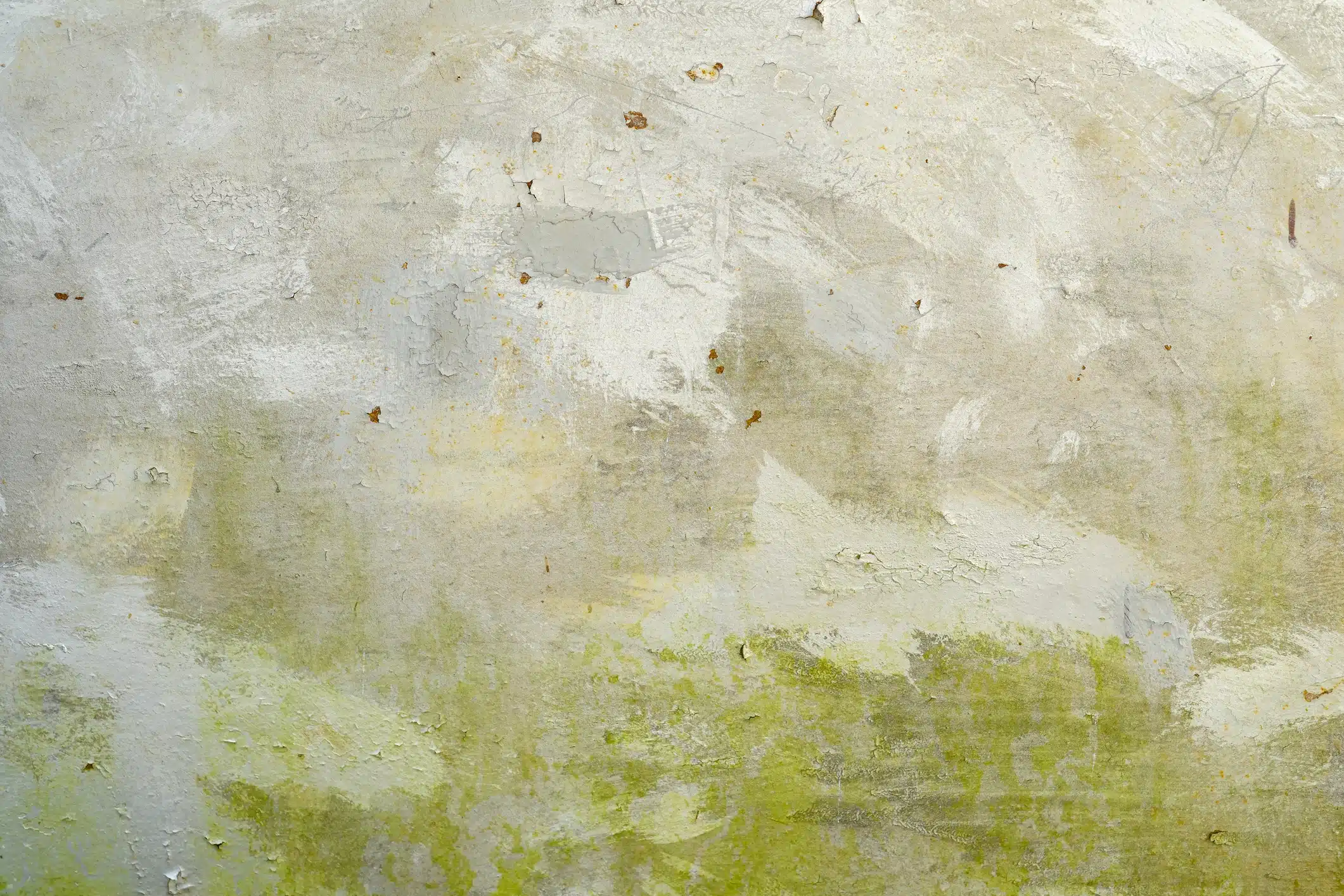
For years, interior and exterior design trends swung like a pendulum between two extremes. On one side stood the early-2000s era of flat, heavy “builder beige”—a color choice that often felt uninspired, yellowing, and sterile. On the other side was the 2010s obsession with “millennial grey” and stark, laboratory-white minimalist spaces that frequently lacked soul, warmth, and character.
Today, design has entered a sophisticated renaissance. Homeowners and interior designers are abandoning flat, synthetic finishes in favor of spaces that feel grounded, organic, and deeply comforting. We are moving beyond the monochrome palettes of the past into a new era dominated by dynamic, textured, mineral-based mediums. At the forefront of this movement are earthy neutrals and the revival of ancient artisan techniques like limewash painting.
When executed properly, these elements do not just coat a wall; they transform it into a living canvas that interacts beautifully with natural light. If you are looking to elevate your property’s aesthetic with an enduring, upscale appeal, here is why earthy neutrals and limewash paint are dominating modern design—and why they are here to stay.
Transform Your Home With An Artisan Finish – Schedule A Consultation With Bates Painting
The Evolution of the New Neutral Palette
To understand why earthy neutrals have captured the imagination of the design world, we must look at how our relationship with color has evolved. As design experts like Kylie M Interiors have noted, the modern era of beige and tan paint colors is entirely different from the palettes used twenty years ago. Yesterday’s beiges were often one-dimensional, rely heavily on undertones that could easily turn muddy, orange, or sickly sweet under standard incandescent lighting.
The new neutral palette draws its inspiration directly from the natural world. Think of the complex, shifting hues found in raw linen, sun-bleached river stones, weathered clay, dried moss, and mushroom caps. These colors are inherently sophisticated because they are complex; they possess subtle, organic undertones of green, grey, and soft amber that shift gracefully throughout the day as the sun moves across the room.
Furthermore, as highlighted in Romabio’s perspective on timeless comfort, the modern homeowner is looking for an emotional connection to their living spaces. In an increasingly digital world, our homes serve as sanctuaries. Muted neutrals provide a visual rest, reducing sensory overload while infusing rooms with an undeniable sense of quiet luxury and calmness.
What Is Limewash Paint? An Ancient Medium Meets Modern Luxury
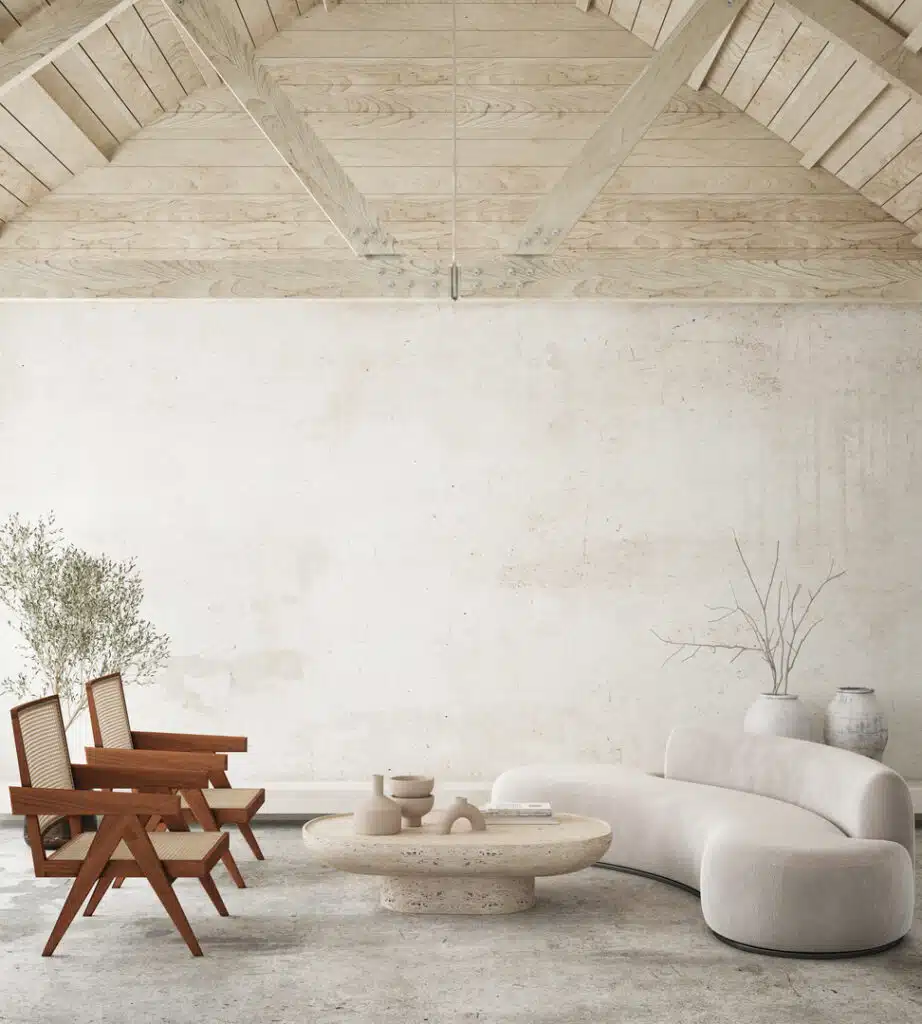
While choosing the right color palette is essential, the secret ingredient to a truly timeless space lies in texture. Standard acrylic or latex paints create a flat, plastic-like film over surfaces. While practical for some applications, they completely eliminate the natural depth of a wall. This is where limewash paint changes the game.
Limewash is not a modern synthetic invention; it is one of the oldest architectural finishes in human history, dating back to ancient Rome and Egypt. It is composed of crushed, slaked lime (calcium hydroxide) mixed with water and natural mineral pigments.
Unlike modern paints that sit on top of a surface, limewash undergoes a chemical process known as carbonation. As it dries, it absorbs carbon dioxide from the air and turns back into limestone, bonding directly to the underlying masonry, brick, or drywall. This unique petrification process gives limewash its signature characteristics:
- A Chalky, Matte Patina: It creates a soft, glowing, suede-like texture that cannot be replicated by standard flat paints.
- Mottled Depth: Because the mineral pigments cure unevenly, the surface develops subtle, cloud-like variations in tone, providing movement and visual richness.
- Breathability: Limewash is naturally high in pH, making it highly resistant to mold, mildew, and bacteria while allowing moisture to escape from walls organically.
Experience the Beauty of Mineral Finishes – Contact Our Team Today
The Unrivaled Elegance of Limewash on Brick Exteriors
One of the most impactful ways to utilize this medium is on structural brick. For decades, painting a brick home with standard exterior latex paint was a common practice. However, this often led to long-term structural and aesthetic headaches. Synthetic paint seals the brick, trapping moisture inside the masonry. When the temperature fluctuates, that trapped water freezes and expands, causing the paint to bubble, crack, and peel away.
Opting for exterior limewash painting solves this problem entirely while delivering an incomparably upscale look. Because limewash penetrates and bonds with the brick, it will never chip, peel, or flake off. Instead, it wears down beautifully over decades, developing a historic, old-world European patina that looks like it has belonged to the landscape for centuries.
Whether you want a full-coverage, chalky-white finish or a distressed look where the natural red or brown tones of the brick subtly peak through, the versatility of limewash allows for complete customization. It softens the hard, industrial lines of modern brick homes and breathes new life into dated, dark exterior masonry without erasing the material’s structural texture.
Latex Paint vs. Limewash on Brick
| Standard Latex Paint | Authentic Limewash Paint |
| Traps moisture inside the masonry | Allows brick to breathe organically |
| Prone to bubbling, peeling, and cracking | Calcifies into stone and will not peel |
| Creates a synthetic, shiny, or flat look | Develops a soft, artistic, cloud-like patina |
| Requires high future maintenance and repainting | Ages gracefully over time, wearing down beautifully |
Bringing the Texture Indoors: The Art of Interior Limewash Painting
The magic of this material isn’t reserved exclusively for outdoor masonry. In fact, interior limewash painting has become one of the most requested artisan services for high-end residential interiors.
When applied over interior drywall, a specialized primer or mineral backing is utilized to ensure the lime can bond correctly. Once applied, the transformation is immediate. An ordinary, flat wall becomes a feature of architectural interest.
Interior limewash painting works exceptionally well in spaces designed for relaxation and gathering:
- Living Rooms & Fireplace Surrounds: Applying limewash to a fireplace creates a dramatic focal point, making the hearth feel grounded, authentic, and cozy.
- Master Bedrooms: The soft, matte, suede-like texture of limewash absorbs excess light rather than bouncing it around, creating a tranquil, cocoon-like atmosphere perfect for rest.
- Powder Rooms and Dining Spaces: In smaller or more intimate spaces, the mottled variations of limewash add immense depth, making the walls feel like imported European plaster.
Because the finish is highly reactive to light, an interior limewash wall looks different at 8:00 AM in the morning sun than it does at 8:00 PM under warm accent lighting. It provides an evolving sensory experience that prevents a neutral palette from ever feeling boring or static.
Elevate Your Interiors With Artisan Craftsmanship – Book Your Consultation
Curating the Perfect Palette: How to Pair Muted Neutrals and Textures
To maximize the impact of limewash paint and earthy neutrals in your home, it is vital to understand how to curate the surrounding space. Because these walls have a distinct texture and movement, they pair exceptionally well with other organic, tactile materials.
- Incorporate Warm Wood Tones: Pair sandy tan or mushroom-toned walls with raw oak, walnut, or reclaimed wood furnishings. The natural grain of the wood complements the mottled texture of the walls beautifully.
- Layer Organic Textiles: Use linens, wool, boucle, and woven cottons for drapery, upholstery, and rugs. Layering different textures within the same tonal family creates depth without needing to introduce loud, conflicting colors.
- Introduce Matte Accents: To ground an earthy neutral room, introduce sharp, modern elements like matte black iron hardware, unlacquered brass light fixtures, or dark charcoal accents. This creates a beautiful contrast between old-world artisan walls and contemporary design.
Why Artisan Finishes Demand a Professional Hand

While DIY culture has popularized many painting projects, applying a mineral finish like limewash requires an entirely different level of skill, patience, and artistry than traditional wall paint.
Achieving the perfect look requires specific brushwork—typically a custom cross-hatch or “clouding” technique using heavy, specialized block brushes. The artisan must maintain a consistent “wet edge” across the entire surface; if the paint dries too quickly or is applied unevenly, it can create harsh, unsightly lap lines that ruin the soft, cloud-like aesthetic. Furthermore, because limewash looks much darker when wet than when it dries and calcifies, it takes an experienced eye to know exactly how the final layers will settle.
At Bates Painting, our team understands the chemistry, the physical technique, and the artistic vision required to deliver flawless mineral finishes. We work closely with you to select the ideal earthy undertones and apply them with precision, ensuring your home benefits from a long-lasting, sophisticated aesthetic.
Frequently Asked Questions
Can limewash paint be used over regular drywall?
Yes, absolutely! While limewash naturally bonds to porous surfaces like brick, concrete, and stone, it can be applied beautifully over standard interior drywall. To do this, our team applies a specialized acrylic mineral primer that creates the necessary grip for the limewash paint to bond to, followed by custom artisan brushwork to achieve the classic mottled appearance.
How do you clean and maintain interior limewash walls?
Because authentic limewash is a matte, mineral-based product, it cannot be scrubbed with harsh chemical cleaners like synthetic latex paints. For light dust or dirt, gently wiping the wall with a damp microfiber cloth is recommended. For high-traffic areas prone to spills, a specialized, breathable mineral sealer can be applied over the top of the finish to add protection without ruining the matte look.
What is the difference between limewash and Roman clay or Venetian plaster?
While all three create stunning, textured finishes, they utilize different materials and application methods. Limewash is a thin, liquid mineral paint applied with a large block brush, resulting in a soft, matte, watercolor-like depth. Roman clay and Venetian plaster are thick pastes applied with a trowel or putty knife, resulting in a more heavily textured, smooth, or polished stone-like architectural surface.
Investing in an Enduring Aesthetic
Trends come and go, but the elements of nature never go out of style. Moving beyond flat, predictable beiges and embracing the rich textures of limewash painting allows you to create a property that feels authentic, sophisticated, and permanently relevant. By investing in quality mineral materials and professional craftsmanship, you ensure your home remains a timeless sanctuary for years to come.
Ready to bring the elegant texture of earthy neutrals into your upcoming renovation project? Let the specialists at Bates Painting bring your vision to life with artisan-grade expertise.
Ready To Redefine Your Space? Get A Professional Estimate From Bates Painting Today